

Kako je laparoskopska holecistektomija
Dec 08, 2021
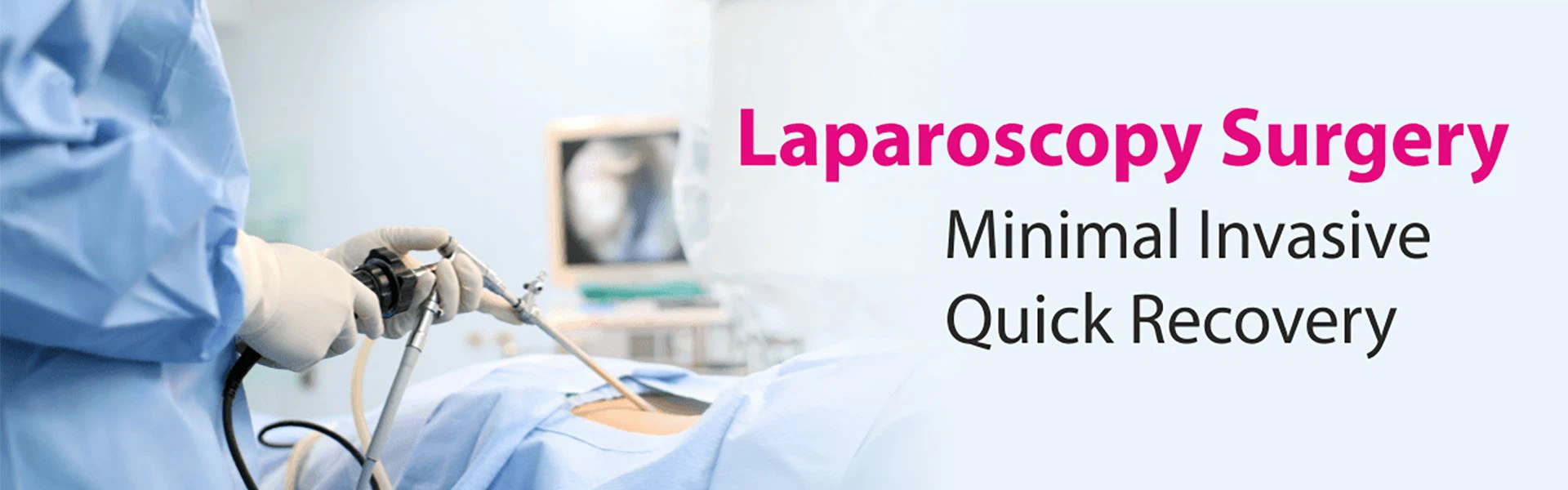
Laparoskopska holecistektomija je postala zrela kirurška tehnika, ki jo sprejema večina bolnikov z značilnostmi manj travmatičnih, manj bolečin in hitrega okrevanja.
(1) Indikacije
① Symptomatic gallstones.
② Symptomatic chronic cholecystitis.
③ Gallstone with diameter >3 cm.
④ Filled gallstones.
⑤ Symptomatic and surgically indicated protuberant lesions of the gallbladder.
⑥ The symptoms of acute cholecystitis were relieved after treatment, and there were surgical indications.
⑦ It is estimated that the patient is well tolerated.
(2) Relativne kontraindikacije
① Acute attack of calculous cholecystitis.
② Chronic atrophic calculous cholecystitis.
③ Secondary choledocholithiasis.
④ History of upper abdominal surgery.
⑤ Fat body.
⑥ External abdominal hernia.
(3) Absolutna kontraindikacija
① Acute cholecystitis with serious complications, such as gallbladder empyema, gangrene, perforation, etc.
② Gallstone acute pancreatitis.
③ With acute cholangitis.
④ Primary common bile duct stones and intrahepatic bile duct stones.
⑤ Obstructive jaundice.
⑥ Gallbladder cancer.
⑦ Protuberant lesions of the gallbladder are suspected to be cancerous.
⑧ Cirrhosis and portal hypertension.
⑨ Middle and late pregnancy.
⑩ Abdominal infection, peritonitis.
Chronic atrophic cholecystitis, gallbladder less than 4.5cm × 1.5cm, wall thickness >0,5 cm (ultrazvočna meritev).
Spremljajo ga hemoragične bolezni in motnje koagulacije.
Tisti z nepopolno funkcijo pomembnih organov, težko prenašajo operacijo in anestezijo ter tisti s srčnim spodbujevalnikom (elektrokoagulacija in elektrokavterizacija sta prepovedana).
Splošno stanje je slabo, ni primeren za operacijo ali je bolnik star, ni močnih znakov holecistektomije, diafragmalne kile.
Obseg indikacij za laparoskopsko kirurgijo se z razvojem tehnologije širi. Nekatere bolezni, ki so bile prvotno kontraindikacije za operacijo, so poskušali dokončati tudi z laparoskopijo. Če je bila sekundarna holedoholitiaza delno rešena z laparoskopsko operacijo. Po pridobitvi potrebnih izkušenj je mogoče več bolezni zdraviti z laparoskopsko operacijo.
(4) Kirurški poseg
① Create pneumoperitoneum. Make an arc incision along the lower edge of the umbilical fossa, about 10mm long. If the lower abdomen has been operated on, cut the skin on the upper edge of the umbilical fossa to avoid the original surgical scar.
Operater in prvi pomočnik držita klešče za brisače, da dvigneta trebušno steno z obeh strani popkovine. Operater je s palcem in kazalcem desne roke držal pnevmoperitoneumsko iglo (Veressovo iglo), s silo je pritiskal na zapestje in ga zabodel v trebušno votlino navpično ali rahlo poševno v medenično votlino.
V procesu punkcije, ko se igla prebije skozi fascijo in peritoneum, se dvakrat pojavi občutek preboja; Presodite, ali je konica igle zašla v trebušno votlino. Priključite lahko brizgo z navadno fiziološko raztopino. Ko je konica igle v trebušni votlini, kaže podtlak. Priključite pnevmoperitoneumski stroj. Če inflacijski tlak ne presega 1,73 kpa, to pomeni, da je pnevmoperitonejska igla v trebušni votlini. Na začetku ne napihujte prehitro. Uporabite napihovanje z nizkim pretokom, 1 2 L na minuto.
At the same time, observe the intraperitoneal pressure on the pneumoperitoneum machine. The pressure during inflation should not exceed 1.73kpa. If it is too high, it indicates that the position of the pneumoperitoneum needle is incorrect, the anesthesia is too shallow and the muscle is not loose enough. Appropriate adjustment should be made. When the abdomen begins to bulge and the liver dullness boundary disappears, it can be changed to high flow automatic inflation until the predetermined value (1.73 2.00kpa) is reached. At this time, the inflation is 3 4L, the patient's abdomen is completely bulged, and the operation can be started.
Lift the abdominal wall with towel pliers at the umbilical pneumoperitoneum needle and puncture with 10mm trocar. The first puncture has a certain "blindness", which is a more dangerous step in laparoscopy. Be extra careful. Rotate the trocar slowly and enter the needle evenly. When entering the abdominal cavity, there is a feeling that the resistance disappears suddenly. Open the closed air valve and gas escapes. This is the success of puncture. Connect the pneumoperitoneum machine to maintain constant pressure in the abdominal cavity. Then put the laparoscope in and puncture at each point under the monitoring of the laparoscope.
Na splošno prebodite 2 cm pod xiphoidnim procesom in namestite 10 mm ohišje za izpustni kavelj, aplikator s sponkami in druge instrumente; Prebodite 2 cm pod rebrnim robom desne srednje klavikularne črte ali 2 cm pod zunanjim robom rektusa abdominisa in obalnim robom aksilarnega sprednjega dela s 5 mm trokarjem, da se vstavijo prijemalne klešče za irigator in žolčnik. V tem času so zaključeni umetni pnevmoperitonej in priprave.
Zaradi izdelave pnevmoperitoneja in prve punkcije trokarja se lahko po nesreči poškodujejo velike žile in črevesje v trebušni votlini, ki jih med operacijo ni enostavno najti. V zadnjem času je veliko ljudi naredilo majhno odprtino v popku, da bi našli peritonej in neposredno vstavili trokar v trebušno votlino za napihovanje. Po uspešni izdelavi pnevmoperitoneja smo pričeli z operacijo.
② Dissect the Calot triangle. Grasp the neck of gallbladder or Hartmann's bursa with grasping forceps and traction to the upper right. It is best to draw the cystic duct perpendicular to the common bile duct in order to clearly distinguish the two, but pay attention not to draw the common bile duct into an angle. The serous membrane on the cystic duct was cut with an electrocoagulation hook, the cystic duct and cystic artery were passively separated, and the common bile duct and common hepatic duct were distinguished. Since it is close to the common bile duct, electrocoagulation should be used as little as possible to avoid accidental injury to the common bile duct. Use the electrocoagulation hook to separate the cystic duct upstream and downstream, and see the relationship between the cystic duct and the common bile duct. Place the titanium clip as close to the gallbladder neck as possible. There should be sufficient distance between the two titanium clips. The titanium clip should be at least 0.5cm away from the common bile duct. Cut between the two titanium clips with scissors, and do not use electric cutting or electrocoagulation to prevent damage to the common bile duct due to heat conduction. Then find the cystic artery behind it and cut it with titanium clip. After cutting off the gallbladder artery, do not pull hard to avoid breaking the gallbladder artery, and pay attention to the posterior branch of the gallbladder. Carefully peel off the gallbladder, electrocoagulation or hemostasis with titanium clip.
③ Cholecystectomy. Clamp the gallbladder neck and pull it upward, carefully peel it off along the gallbladder wall, and the assistant should assist in pulling to make the gallbladder and liver bed have a certain tension. Completely peel off the gallbladder and place it on the upper right side of the liver. The liver bed was hemostatic by electrocoagulation, carefully rinsed with normal saline, and checked for bleeding and bile leakage (a piece of gauze was disposed at the hepatic hilum, and checked for bile staining after removal). After absorbing all the water in the abdominal cavity, transfer the laparoscope to the lower sleeve of the xiphoid process and give way to the umbilical incision, so that the gallbladder containing stones greater than 1cm can be taken out from the umbilical incision with loose structure and easy expansion. If the stones are small, they can also be taken out from the puncture hole under the xiphoid process.
④ Remove the gallbladder. Put the toothed claw forceps into the abdominal cavity from the cannula at the umbilicus, grasp the residual end of the cystic duct under monitoring, slowly drag the gallbladder into the cannula sheath and pull it out together with the cannula sheath. When grasping the gallbladder, pay attention to placing the gallbladder on the liver to avoid accidental injury to the intestinal canal by sharp forceps. If the stone is large or the tension of the gallbladder is high, do not pull it out with force to avoid rupture of the gallbladder and leakage of stones and bile into the abdominal cavity. At this time, the incision can be enlarged with vascular forceps and taken out, or the incision can be expanded to 2.0cm with an expander. If the stone is too large, the incision can be extended. If bile leaks into the abdominal cavity, wet gauze shall be used to enter from the umbilical incision to suck up the bile.
Če je kamen prevelik, da bi ga lahko odstranili iz reza, lahko prej odprete tudi žolčnik, z aspiratorjem posrkate žolč v žolčniku in ga po drobljenju kamna s kleščami izvzemite enega za drugim. Če se ugotovi, da je kamen padel v trebušno votlino, ga vzemite ven. Ko preverite, ali v trebušni votlini ni krvi in tekočine, izvlecite laparoskop, odprite ventil kanile, da izpustite plin ogljikov dioksid v trebušni votlini, nato pa izvlecite kanilo. Rez z 10 mm kanilo zašijemo s tanko nitjo kot plast fascije za 1 2 šiva, vsak rez pa zapremo s sterilno lepilno folijo.
(5) Večji zapleti
① Bile duct injury. Bile duct injury is one of the most common and serious complications of laparoscopic cholecystectomy.
Incidenca poškodb žolčevodov in uhajanja žolča je približno 10 odstotkov. Treba je posvetiti dovolj pozornosti. To je predvsem posledica nejasne anatomije Calotovega trikotnika, zlasti pomanjkanja budnosti proti običajni variaciji skupnega žolčevoda ali cističnega kanala. Pri ločitvi cističnega voda je bil žolčevod nehote termično poškodovan, med operacijo ni prišlo do uhajanja žolča, prav tako pa bi lahko zaradi nekroze in odpadanja tkiva na termično poškodovanem območju po operaciji prišlo do uhajanja žolča. Poleg tega so v žolčniku pogosto veliki vagalni žolčni kanali. Intraoperativna elektrokoagulacija se ne more popolnoma koagulirati, nastane pa lahko tudi uhajanje žolča. Glavni znaki poškodbe žolčevodov so hude bolečine v zgornjem delu trebuha, visoka vročina in zlatenica. Bolnike s tipičnimi manifestacijami običajno zdravimo pravočasno po operaciji; Vendar pa je nekaj bolnikov pokazalo le napihnjenost trebuha, pomanjkanje apetita, nizko temperaturo in progresivno poslabšanje. Takšne bolnike je treba pozorno opazovati. Poročali so, da je bilo nekaj mesecev po operaciji ugotovljeno intraabdominalno kopičenje žolča. Presoja o uhajanju žolča je v glavnem odvisna od ultrazvoka ali CT, nato pa se potrdi z vbodom s fino iglo pod vodstvom ultrazvoka ali CT ali radionuklidne hepatoholangiografije.
② Vascular injury. One is massive hemorrhage caused by needle tip injury to abdominal aorta, iliac artery or mesenteric vessels during pneumoperitoneum and trocar placement. There are many reports of death caused by trocar puncture. Therefore, after successful pneumoperitoneum, laparoscopy should peep the whole abdomen once to prevent missing vascular injury.
Drugo je nejasna anatomija jetrnega portala ali napačna vpenjanja desne jetrne arterije ali pravilne jetrne arterije zaradi krvavitve žolčnika. Obstajajo tudi poročila o poškodbah portalne vene med anatomijo. Poročali so o nekrozi desne jeter zaradi napačnega vpenjanja jetrne arterije.
③ Intestinal injury. Intestinal injuries are mostly accidental injuries caused by electrocoagulation, mainly because the electrocoagulation hook is not placed in the TV monitoring picture and is not found. Abdominal pain, abdominal distention and fever occur after operation, resulting in serious peritonitis, and its mortality is high.
④ Postoperative intraperitoneal hemorrhage. Postoperative intraperitoneal hemorrhage is also one of the serious complications of laparoscopic surgery. The injured parts are mainly the blood vessels near the gallbladder, such as hepatic artery, portal vein and abdominal aorta or vena cava during periumbilical puncture. The manifestations were hemorrhagic shock, abdominal bulge and peripheral circulatory failure. Open surgery should be performed immediately to stop bleeding.
⑤ Subcutaneous emphysema. The causes of subcutaneous emphysema are as follows: first, when making pneumoperitoneum, the pneumoperitoneum needle did not penetrate the abdominal wall, and high-pressure carbon dioxide entered the subcutaneous; Second, due to the small skin incision, the trocar is embedded very tightly, and the puncture hole of the peritoneum is relatively loose. During the operation, carbon dioxide gas leaks into the lower skin layer of the abdominal wall. Postoperative examination can find abdominal subcutaneous twisting pronunciation, generally without special treatment.
⑥ Others. Such as incisional hernia, incisional infection and abdominal abscess.